Start eating in Athens with three different experiences: a simple street-food lunch, a meal of home-style cooked dishes and a shared meze table. Add a bakery or sweet-shop stop between them. You will understand more of the city's food than by ordering the same mixed grill every night, and you do not need an expensive tasting menu to begin. [1] [2] [3]
Learn the order before choosing the shop
Souvlaki and gyros are useful first meals, but the words do not describe identical things. A skewer is not automatically a filled pita; gyros refers to meat cooked on a rotating spit. When ordering, specify the meat, whether you want bread or a plate, and the additions. That avoids receiving a larger, more expensive meal than the snack you intended. [1]
For your first order, choose a straightforward combination rather than adding every available extra. You can then decide whether you prefer the grilled meat, the bread or the sauce, instead of judging a shop on an overloaded wrap. Ask the total before paying when the menu distinguishes takeaway from a seated meal.
A good practical rhythm is a small breakfast, a substantial lunch and a later shared dinner. That is an editorial suggestion, not a rule about how every Athenian eats. Travelers who prefer an early dinner should keep that preference; there is no prize for staying hungry to imitate an imagined local timetable.
Use location as part of value. Crossing the city to save a small amount on one wrap can cost more in transport and sightseeing time than it saves on lunch. A convenient, clearly priced meal often makes better travel sense than a famous name with a long detour.
Look beyond grilled meat
Cooked-food restaurants offer another side of Greek eating. Filippou, at Xenokratous 19 in Kolonaki, publishes a changing menu of casseroles, soups, vegetables and meat dishes. Its own information lists Sunday closure. The useful reason to consider it is the style of cooking, not an unsupported claim that it serves the city's best version of every dish. [2]
At this kind of meal, ask which dishes have been prepared that day and what comes with the portion. A main course may already include rice, potatoes or another accompaniment. Ordering extra sides automatically can produce an expensive table of food that nobody finishes.
Choose one dish unfamiliar to you and one familiar supporting item. A vegetable preparation, soup or casserole can reveal more about a kitchen than a large mixed plate. Sharing is useful when both diners actually want the same food; it is less useful when dietary restrictions force one person to eat around most of the order.
Daily menus also change the way you should use recommendations. A dish shown online is a lead, not a promise that it will be available on your visit. Decide whether the restaurant's general cooking style appeals to you rather than building an entire evening around a single photographed special.
Treat the market as a working place
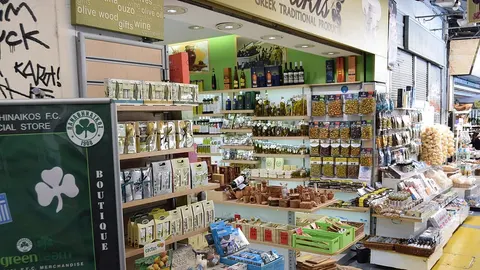
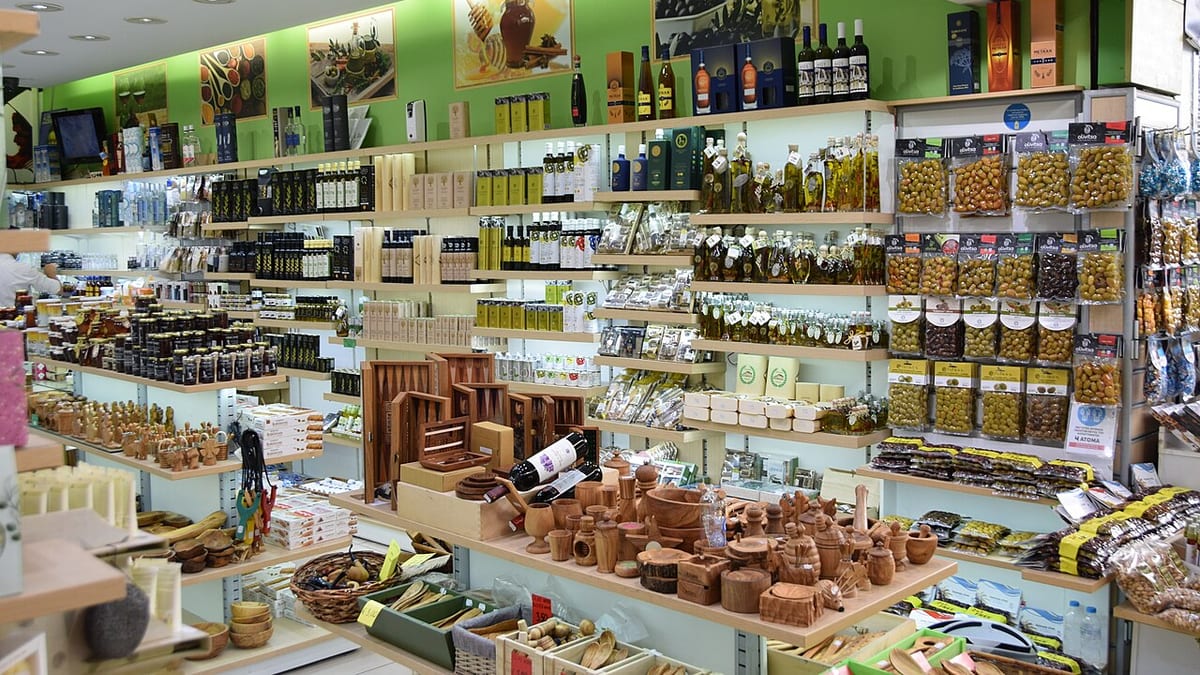
The Central Municipal Market on Athinas Street brings together fish, meat, vegetables and specialist food shopping. It is not simply an indoor collection of ready-made lunches. Some stalls exist to supply home cooks and professional kitchens, so a visit can be rewarding even when you buy little. [4]
Walk through first, then decide where to stop. That gives you a sense of the products and prevents the first appealing display from becoming an accidental full meal. Keep clear of deliveries and transactions, and ask before taking close photographs of people or their work.
A market-centered morning works best when you separate browsing from eating. Begin with a modest breakfast, explore the stalls and surrounding food shops, then choose one seated lunch. Trying to snack at every possible stop quickly turns curiosity into obligation.
Do not buy perishable food simply because it looks attractive. Think about the rest of your day, whether you have refrigeration and whether you can consume it safely before traveling. Packaged ingredients are easier souvenirs, but customs rules depend on your destination; a shop's willingness to sell something does not establish that you may import it.
Make a meze meal coherent
Meze is an opportunity to build a table from smaller dishes rather than assign everyone a large main course. Fanis' Karamanlidika combines a delicatessen identity with a meze restaurant, making cured products and shared plates part of its appeal. Use its current menu to see whether that style suits your group. [3]
Start with fewer plates than you think you need. Ask which items overlap: two rich meat preparations and several cheeses can be less satisfying than a more balanced combination. It is easier to add something later than to undo a table crowded with dishes you ordered simultaneously.
Clarify whether bread, bottled water and any suggested extras are included or charged separately. This is ordinary ordering discipline, not a reason to regard every recommendation as suspicious. A clear question before the order is more useful than frustration when the bill arrives.
Alcohol is optional. Choose the meal because of the food and company, not because you feel obliged to match a traditional drink. Drivers should plan a non-alcoholic evening or leave the car out of the itinerary altogether.
Leave space for one deliberate sweet stop
Krinos is a historic specialist in loukoumades, the small fried-dough sweets associated with syrup or honey-style toppings and cinnamon. It offers a different experience from finishing every meal with whatever dessert happens to be on a restaurant menu. [5]
Share a portion first when you are already full. The point of a sweet stop is to enjoy it, not to complete a checklist. Ask what a serving contains and whether toppings change the price before ordering several portions for a group.
A bakery breakfast and an afternoon sweet do not need to happen on the same day. Spread your choices across the trip: one morning for bread or pie, another for a more substantial breakfast, and an afternoon for loukoumades. This preserves appetite for meals that deserve more attention.
A workable first food day
Build the day around the market and surrounding center, then reserve a different neighborhood for dinner. Keep breakfast small, browse before lunch and leave an unplanned afternoon interval. This is a suggested sequence rather than a promise about walking times or individual business opening hours.
On another day, use Kolonaki for a cooked lunch and make dinner lighter. That creates contrast without requiring a large number of restaurant reservations. People with only one day should choose the experience they care about most rather than attempt every category.
For vegetarian, vegan or allergy-related needs, discuss ingredients explicitly. A vegetable-looking dish can still contain an ingredient you avoid, and removing a visible topping does not address shared preparation. Establish what the kitchen can actually provide before sitting down to a fixed menu.
The strongest Athens food itinerary is therefore not the longest list of names. It is a sequence of meals that differ from one another, fit your route and leave you hungry enough to appreciate the next stop. Use these venues as starting points, and judge each order by what you want to eat - not by how many famous dishes you can record.