The practical public-transport route from Athens to Delphi is the KTEL Fokidas coach from Liosion, not Kifissos. An early departure can support an independent day trip, but shorter winter opening hours make timing important. Choose an overnight stay or an organised transfer when you want more room for the archaeological site, museum and surrounding area without watching the return clock. [1] [2] [3]
The coach starts at the terminal many visitors mix up
KTEL Fokidas identifies its Athens agency at 260 Liosion Street. This is the departure location to establish when booking the Delphi route; do not follow generic instructions for Athens' other major intercity terminal at Kifissos. The company's own timetable and ticketing information are the appropriate starting point. [1]
Give a taxi driver or route planner the full terminal address rather than simply "KTEL." KTEL is a network of regional operators, not the name of one universal departure point. This small distinction can determine whether you make the intended bus.
The operator's published winter timetable lists Athens departures at 08:30, 10:30 and 18:00 daily, with a 15:00 departure on days other than Saturday. It also lists Delphi-to-Athens services at 11:00, 16:00 and 18:30 daily, with additional day-specific departures. Treat this as the published winter pattern checked on 28 October 2026 and confirm the actual travel date in the booking system. [2]
The early outbound and an appropriate afternoon return are the combination to investigate for a day visit. The later morning service may still suit an overnight stay, but it should not be selected solely because it permits a relaxed breakfast in Athens. The time left before the attraction closes is the more important number.
A current fare was not reliably verified from the operator during this research. Obtain it at booking rather than treating an old blog's price as a current quote. The cost comparison with a tour should include the return coach fare, both Athens terminal transfers and admission.
Winter hours make the museum-and-site sequence important
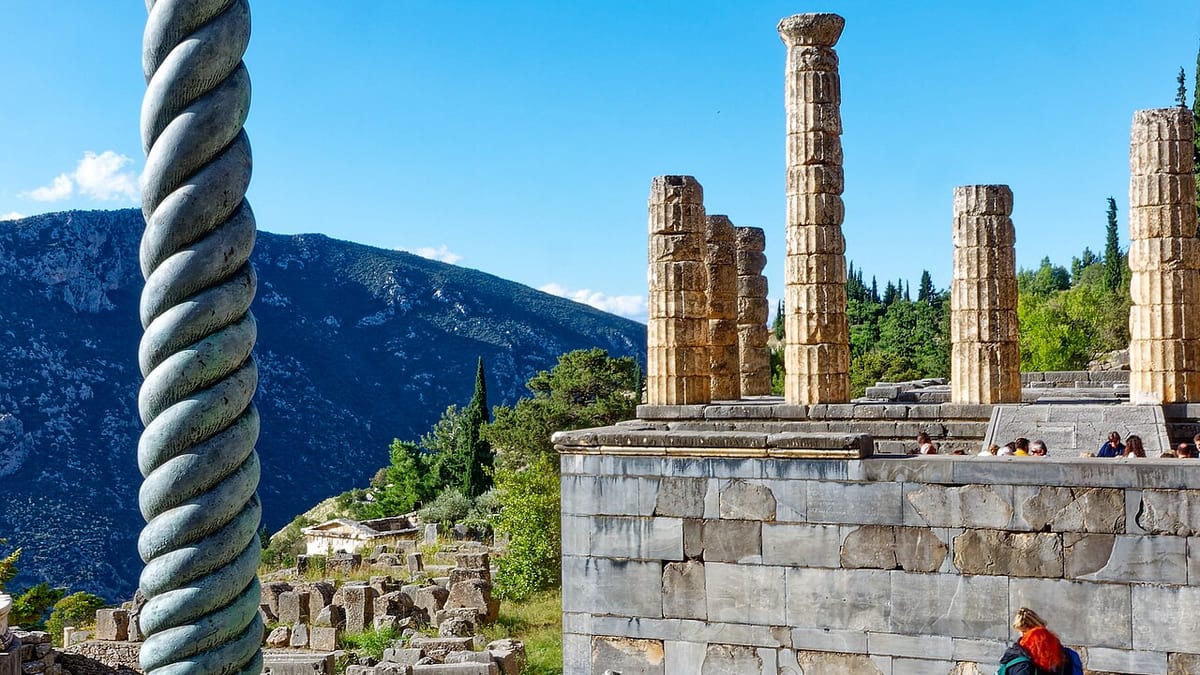
Hellenic Heritage lists Delphi's archaeological site from 08:30 to 15:30 between 1 November and 31 March, with last admission twenty minutes before closing. The museum also publishes winter hours ending at 15:30. A late arrival therefore reduces the time for both, not merely the outdoor visit. [3] [4]
The full admission listed for the combined archaeological site and museum is €20, with reduced admission subject to eligibility. The ticket relationship is useful: you do not need to assume two full-price admissions simply because the buildings and outdoor site are separate experiences. [3]
For a winter day trip, arrive with a clear priority. If the main purpose is the archaeological landscape, give it a protected block of time and reserve a distinct museum period before closing. If weather makes the outdoor section difficult, reverse the emphasis rather than spending the remaining time debating the sequence.
Do not schedule a long sit-down lunch immediately after arrival unless the available hours genuinely allow it. A meal after the principal visits is often the better winter choice. This is not about rushing through Delphi; it is about preventing an optional stop from consuming the only usable opening window.
The museum's summer schedule also has a Tuesday distinction, so a long-season label does not mean identical hours every day. Hellenic Heritage publishes the museum and site arrangements separately. Read both pages when placing the visit in a wider itinerary. [4]
A day trip works best with one clear objective
A day return from Athens is sensible when Delphi itself is the goal and you are comfortable committing much of the day to transport. It becomes less convincing when the plan also tries to include an extended stop in Arachova, a leisurely meal and several additional places without a car or arranged transfers.
Use the coach arrival shown for your date to sketch the visit backwards from the return departure. Include the walk between the town, museum and archaeological entrance, as well as time to locate the return stop. Hellenic Heritage describes the site as approximately fifteen minutes on foot from the town; that is a useful orientation, not a universal walking time for every visitor. [3]
Leave some room between the attraction visit and the bus. A ticketed return is not useful if you are still far from the stop when boarding begins. Keep the return details and the operator's contact information accessible offline, especially when you do not intend to use mobile data throughout the day.
For travellers who need frequent rest breaks or cannot comfortably manage slopes and uneven surfaces, assess the actual site access and transport assistance before committing to a fast day-trip rhythm. The right adaptation may be fewer objectives, a private transfer or an overnight stay, rather than trying to make the same crowded schedule work for everyone.
A car buys flexibility, not an excuse to overfill the day
Hellenic Heritage describes the drive from Athens to Delphi as approximately three hours. Treat that as an indicative road journey, with traffic, departure address, stops and conditions affecting the actual time. The destination still has opening and last-entry limits even when you control the vehicle. [3]
A rental car is most useful when you plan to continue elsewhere, carry luggage for an overnight stay or need a sequence that the coach timetable does not support. Add rental charges, insurance, fuel, any tolls and parking arrangements to the calculation. Comparing only the advertised daily hire rate with a return bus ticket gives a misleading result.
For a same-day drive, decide who will drive back and avoid placing a large meal and an exhausting sightseeing programme before the return. A flexible route should remain comfortable. You do not need to add every nearby place to justify having the car.
An organised day tour can be a good alternative when you prefer one booking and an explained visit. Compare what the price includes: hotel collection or a meeting point, the site and museum admission, a licensed guiding service, lunch and any stop elsewhere. A coach transfer with free time is not the same product as a guided archaeological visit.
Why one night can improve the trip
An overnight stay separates the transport day from the main sightseeing window. You can arrive without making the last-entry time the defining constraint, then place the principal visit early the following day. This is particularly helpful in winter or when archaeology is a major interest rather than a brief addition to an Athens holiday.
The extra accommodation cost should be compared with the value of a less compressed visit, not automatically treated as waste. It may also reduce the temptation to buy a more expensive private transfer simply to rescue an overambitious day plan.
Choose accommodation with the actual walking route in mind and confirm luggage arrangements if arrival precedes check-in. Then book the onward or return journey around the time you want to leave, not a presumed frequency.
For most independent visitors, the decision is straightforward: take the early Liosion coach for a focused visit, choose a car or organised service for a broader route, and stay overnight when the site and museum deserve more than the remaining hours between two long journeys. The terminal and opening-hours checks are what turn that choice into a workable day.