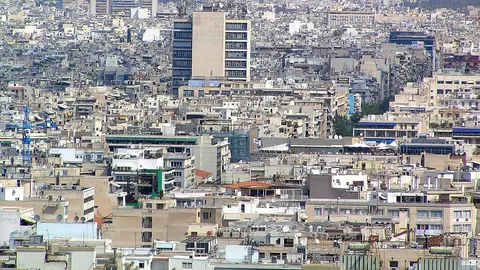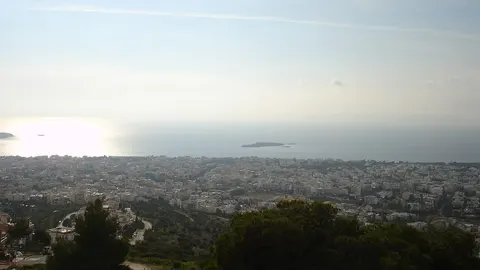

Visit Stavros Niarchos Park for a different kind of Athens afternoon: Mediterranean planting, open-air walking and views integrated with major cultural buildings. The park and public areas are free to enter, while performances and particular activities have their own arrangements. Allow roughly two to three hours for an unhurried first visit rather than treating it as a quick photo stop. [1]
Understand the place before choosing your route
The park forms part of the Stavros Niarchos Foundation Cultural Center, usually abbreviated to SNFCC, in Kallithea. The complex houses the National Library of Greece and the Greek National Opera. Its landscape rises around and over the buildings, so the architecture and garden are experienced together rather than as separate attractions. [2][1]
That is the main reason to come. It is not an archaeological-site visit, and the long canal should not be mistaken for a swimming beach. Someone seeking a quiet green pause, contemporary architecture or an evening performance will get more from the outing than a traveller expecting another ancient monument.
For a first visit, begin with the public spaces around the canal and Agora, then explore the planted park and the higher viewpoints. This sequence is an editorial suggestion, not a mandatory official route. Reverse it when the weather, a performance time or the needs of your group make another order more comfortable.
Leave some room for a slow stop. The park works well when you can sit, watch the light change and notice the relationship between the planting and the buildings. Trying to finish every path quickly misses much of the reason to travel here.
Use the garden as more than a route to the view
The SNFCC's own digital planting anthology identifies olive trees, carob trees, cypresses, laurels and more than 160 kinds of Greek shrubs, herbs and bulbs. It describes a landscape designed for changing textures and flowering seasons, rather than a garden that only looks interesting in one month. [3]
Look for the distinction between structural trees and the lower planting. The trees give the landscape shape; herbs and shrubs change how a path looks and feels at close range. That makes a short, attentive walk more rewarding than simply moving from one large landmark to the next.
The institution's anthology also points out seasonal details such as autumn pomegranates and winter-flowering plants. Use it as a companion for noticing what is actually visible on the day, not as a guarantee that a particular flower will be at its peak when you arrive. [3]
With children, turn the garden into a simple observation exercise: find different leaf shapes, compare textures visually and identify a plant they recognise from food. Keep to the paths and leave the plants in place. The activity does not require buying a ticket or collecting anything from the garden.
A plant-focused visit is also a useful alternative when an exhibition or performance is sold out. The value of the park does not depend on obtaining entry to every indoor space.
The canal, Agora and higher viewpoints
The official Athens guide describes a 400-metre canal, playgrounds and the elevated Lighthouse area, where views reach across the city and towards the sea. The landscaped roof is part of the experience: at points, a walk through planting is also a walk over the cultural buildings. [2]
Choose one viewpoint as the main photographic stop, then spend the rest of the visit looking rather than repeatedly searching for the same image from a slightly different angle. A bright afternoon and a later visit offer different experiences, so pick the timing that suits your broader itinerary.
The Agora is useful as an orientation point because it sits between the principal cultural buildings. Before wandering farther, identify where you will return for a booked event, a meal or your transport. This is particularly helpful when members of a group want to explore different parts of the park.
The national tourism guide lists cafés and food options within the complex, alongside the more formal Delta restaurant. A coffee break and a destination dinner are different commitments. Decide whether eating is simply a pause during the walk or a separate reservation around which the evening should be organised. [1]
Add culture without assuming every room is open
A visit to the grounds does not automatically include access to a performance, rehearsal or every library collection. The National Library and Greek National Opera have their own functions, programmes and visitor arrangements. Treat any particular indoor activity as a separate part of the plan. [1]
For an opera or concert, work backwards from the performance's entry time. Finish the park walk early enough to change pace, find the correct entrance and settle into the seat. A long walk followed by a rushed arrival is less enjoyable than giving each part of the evening enough time.
For a library-led visit, establish the difference between public visitor spaces and services that require registration or a specific purpose. Do not arrive expecting unrestricted access to rare material simply because the building appears in a sightseeing guide.
Free events can be an excellent addition, but free does not necessarily mean unlimited capacity or no registration. Use the dated event listing for the exact arrangement. The general reputation of the SNFCC as a place with frequent free programming is not a substitute for a booking confirmation.
Getting there and choosing the time
The address is 364 Syngrou Avenue, Kallithea. The official tourism guide identifies the complex as wheelchair accessible, while Discover Greece describes a shuttle connection from central Athens. Exact shuttle departures should come from current SNFCC information; an old timetable should not determine the end of your evening. [2][4]
The SNFCC's own website could not be fully accessed during preparation of this guide, so no precise current shuttle frequency or special-event operating time is asserted. For a visit built around a late finish, settle the return option before arrival rather than assuming a regular shuttle will still be available.
In warm conditions, choose a time when the outdoor walk will be comfortable and carry water. In wind or rain, shorten the exposed part of the route and avoid making the visit depend entirely on sitting outside. The point is to enjoy the landscape, not to complete a fixed distance regardless of conditions.
Stavros Niarchos Park is most rewarding as a change of pace. Give the planting, public spaces and views time to work together, then add a library visit, performance or meal only when it improves the day rather than filling every available hour.